Introduction: Why Traditional Ecommerce CMS Is Holding You Back
Your e-commerce store looks good, but it’s slow, hard to scale, and struggles to rank on Google.
Sound familiar?
Modern users expect lightning-fast experiences, personalized content, and seamless checkout across devices. Traditional CMS platforms simply weren’t built for this level of flexibility.
In this guide, you’ll learn:
- What a headless ecommerce CMS really is
- How to choose the right setup for your business
- Why it’s dominating modern e-commerce development
- SEO, performance, and conversion advantages
- Real-world use cases and implementation strategies
If you’re serious about scaling your ecommerce brand in 2026, this is not optional, it’s foundational.
Need help choosing the right headless setup?
I help ecommerce brands build scalable systems on Upwork & Fiverr. Let’s discuss your project and map the best architecture
What Is a Headless CMS for Ecommerce?
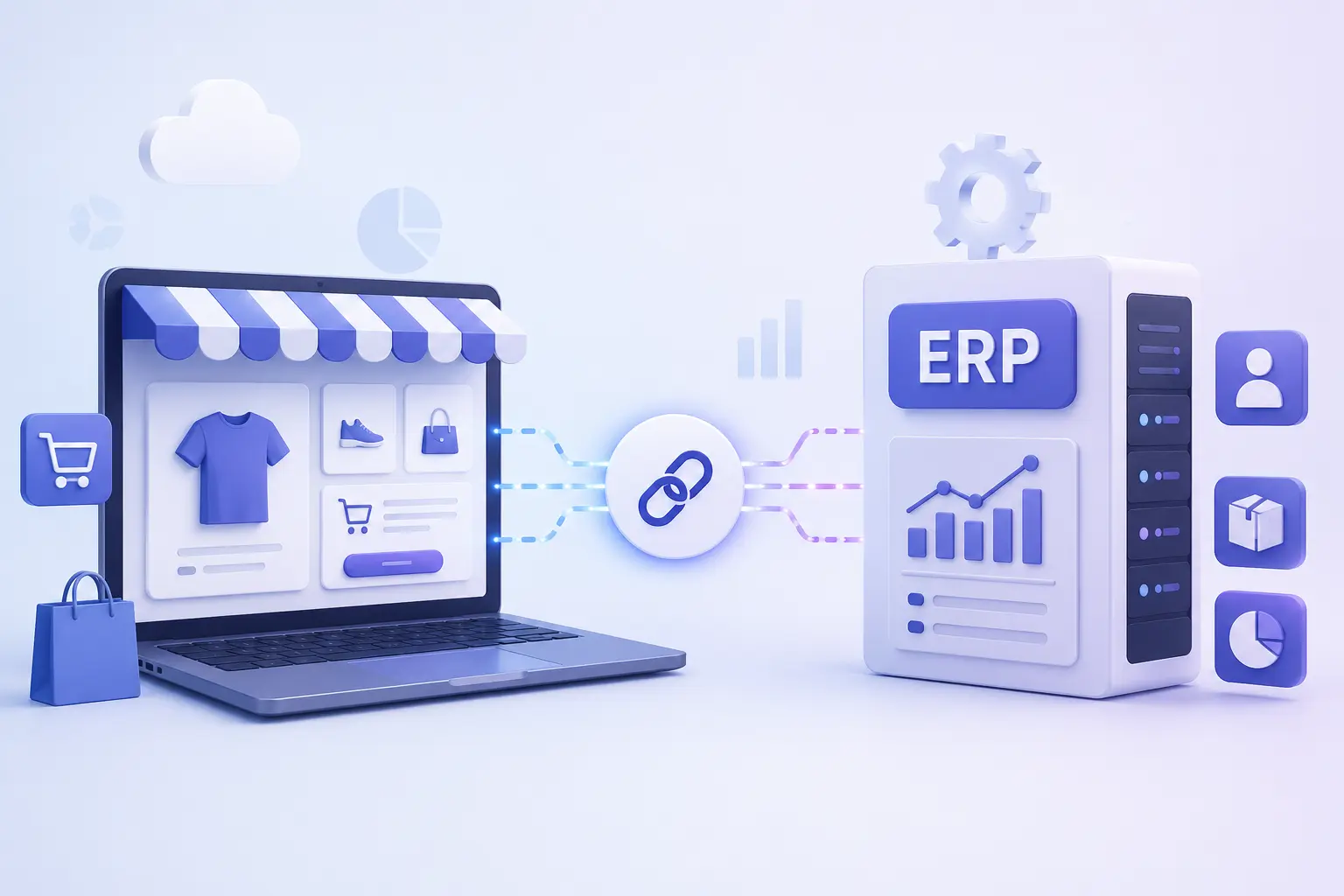
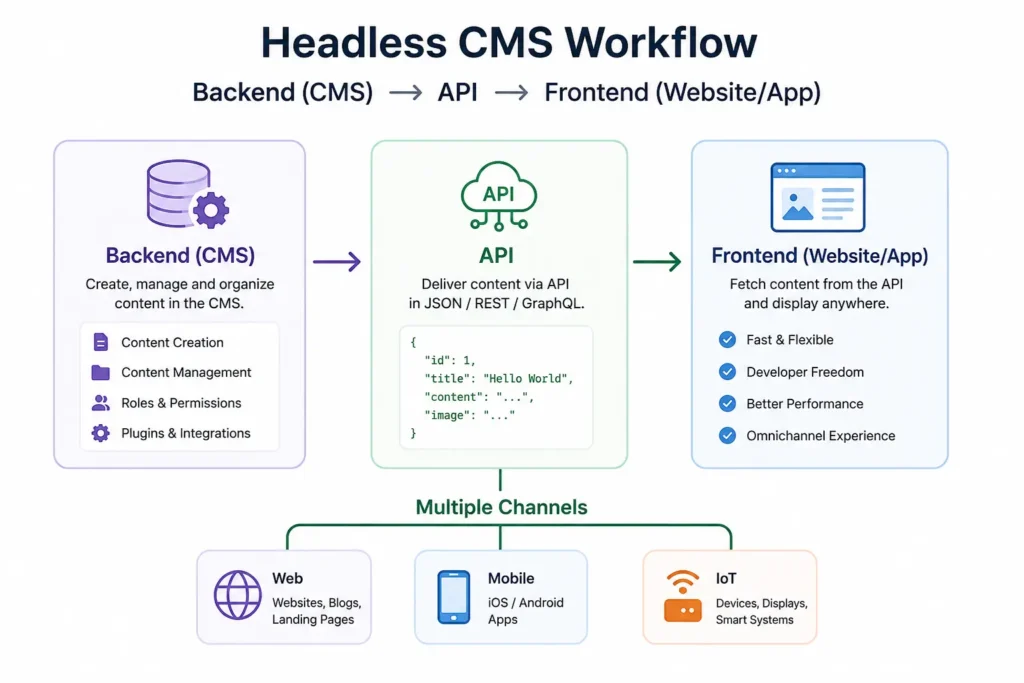
A headless CMS for ecommerce separates the frontend (what users see) from the backend (where content and data live).
Instead of a monolithic system:
- Backend = content, products, APIs
- Frontend = custom UI (React, Vue, etc.)
This allows developers to deliver content anywhere—web, mobile apps, IoT, even smart devices.
For Learn About: Shopify vs WooCommerce, Click Here!
Simple Explanation:
Think of it like this:
- Traditional CMS = One system controls everything
- Headless CMS = Backend + frontend work independently via APIs
For Learn About: Headless commerce architecture, Click Here!
Why Headless Ecommerce CMS Is Growing Fast
Key Drivers:
| Factor | Impact |
|---|---|
| Speed | Faster page loads improve SEO & UX |
| Flexibility | Build custom storefronts |
| Omnichannel | Sell across platforms easily |
| Scalability | Handle traffic spikes |
| Personalization | Dynamic user experiences |
Headless CMS vs Traditional Ecommerce CMS
| Feature | Traditional CMS | Headless Ecommerce CMS |
|---|---|---|
| Flexibility | Limited | High |
| Speed | Slower | Fast |
| SEO Control | Basic | Advanced |
| Scalability | Limited | Enterprise-level |
| Frontend Customization | Restricted | Fully customizable |
Key Benefits of Headless CMS for Ecommerce
1. Lightning-Fast Performance
Speed directly impacts conversions and rankings. Headless architecture reduces load time significantly.
2. Advanced SEO Capabilities
- Full control over technical SEO
- Better Core Web Vitals
- Faster indexing
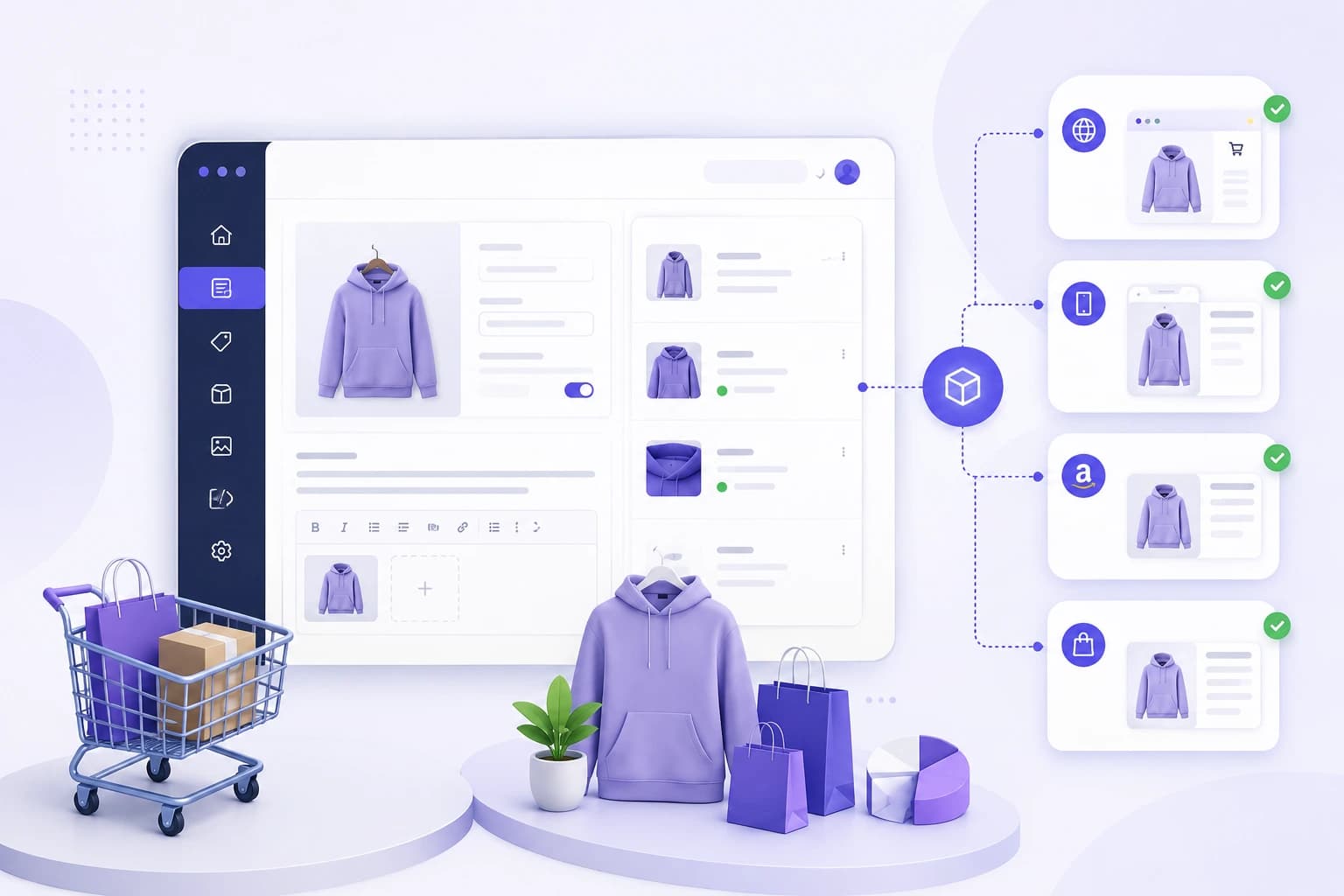
3. Omnichannel Experience
Sell seamlessly across:
- Web
- Mobile apps
- Social platforms
- Marketplaces
4. Complete Design Freedom
No theme limitations. Build unique experiences tailored to your audience.
5. Scalability for Growth
Perfect for high-traffic ecommerce stores and global expansion.
SEO Advantages of Headless Ecommerce CMS
If your goal is ranking on Google and appearing in AI Overviews, this matters.
Key SEO Benefits:
- Faster page speed boosts rankings
- Better structured data integration
- Enhanced UX signals (low bounce rate, high engagement)
- Server-side rendering (SSR) improves crawlability
Best Headless CMS Platforms for Ecommerce
Popular Options:
- Strapi
- Contentful
- Sanity
- Shopify Hydrogen (headless Shopify)
- Magento (Adobe Commerce Headless)
Real-World Use Case
Example:
An ecommerce fashion brand switched to a headless CMS:
Before:
- Page speed: 4.5s
- Bounce rate: 62%
After:
- Page speed: 1.8s
- Bounce rate: 38%
- Conversions increased by 27%
👉 Want similar results?
Migrating to a headless architecture improves flexibility, website speed, and SEO performance while delivering a better user experience that helps increase conversions.
Let’s connect on Upwork or Fiverr and build a high-performance ecommerce system.
How to Implement Headless CMS for Ecommerce
Step-by-Step Process:
1. Choose Your Backend CMS
Pick based on flexibility and API support.
2. Select Frontend Framework
Popular choices:
- React (Next.js)
- Vue (Nuxt.js)
3. Integrate APIs
Connect:
- CMS
- Payment gateway
- Inventory system
4. Optimize for SEO
- Implement structured data
- Optimize Core Web Vitals
- Use SSR or static generation
5. Test & Deploy
Ensure performance, security, and scalability.
Common Challenges (And Solutions)
| Challenge | Solution |
|---|---|
| Higher development cost | Long-term ROI justifies cost |
| Complexity | Hire experienced developers |
| Integration issues | Use API-first tools |
Headless CMS Workflow
FAQ
A headless CMS separates frontend and backend, allowing flexible content delivery via APIs across multiple platforms.
Yes. It improves speed, Core Web Vitals, and technical SEO, which helps rankings and visibility in search results.
Initially, yes. But it offers long-term ROI through better performance, scalability, and conversions.
Growing ecommerce brands, enterprises, and businesses needing flexibility and omnichannel experiences.
Yes, but it’s best if you plan to scale. Otherwise, traditional CMS may be simpler initially.
.
Let’s build something powerful.
If your ecommerce store is struggling with speed, scalability, or conversions, switching to a headless ecommerce CMS could be the smartest move you make this year. I help businesses like yours build high-performance ecommerce systems that rank, convert, and scale.
Conclusion
A headless CMS for ecommerce isn’t just a trend, it’s the future of online selling.
It gives you:
- Speed
- Flexibility
- Better SEO
- Higher conversions
If you’re serious about growth in 2026 and beyond, adopting headless architecture is a strategic advantage—not a technical upgrade.
For Learn About: ecommerce CMS framework & React ecommerce frontend, Click Here!